A System That Breaks Families
Families in ICE detention describe dirty living conditions, unsafe food and water, and delayed medical care, while kids pay the price. Texas sits at the center of family detention. The light is dim, but it isn’t gone, and decency still matters.

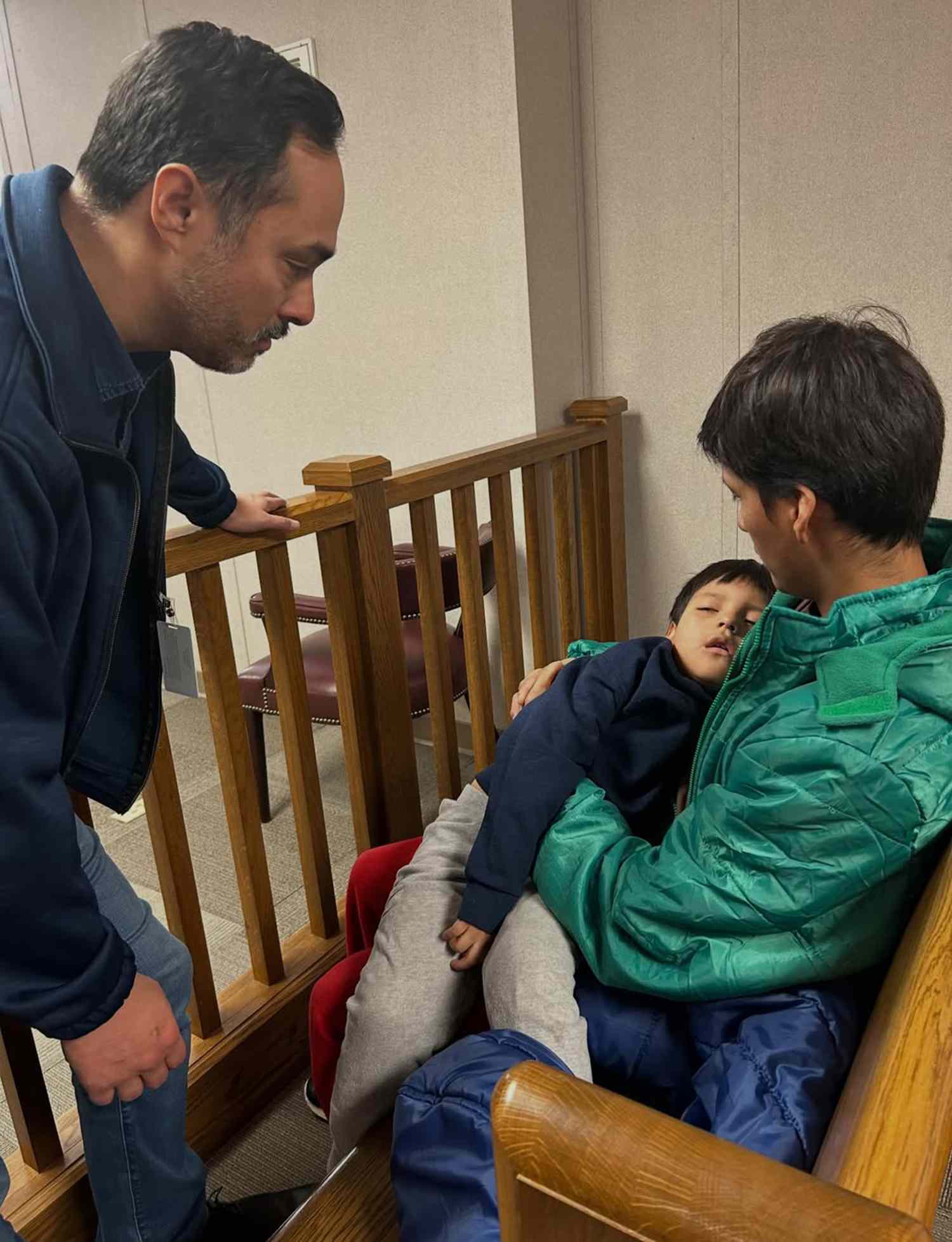
A photo went viral this month: a 5-year-old boy in a blue bunny hat, clutching a Spider-Man backpack, being taken along with his father by ICE. His name is Liam Conejo Ramos. He and his dad were transferred more than a thousand miles away to the South Texas Family Residential Center in Dilley, Texas, one of the only places in the country where the federal government is currently holding families in immigration detention.
And then the reports started sounding like something no parent should ever have to say about their kid in government custody: fever, vomiting, stomach pain, not eating, sleeping constantly, looking depressed. Members of Congress who visited said he appeared withdrawn and emotionally crushed.
I want to say this plainly: no matter where you stand politically, a child’s suffering should stop the room. And if your reaction is “Yeah, but they broke the law,” please sit with this: immigration detention is civil detention, it is not supposed to function like punishment. Kids are not supposed to be the pressure point.
What people inside ICE detention are describing (food, water, sanitation, medical care)
To be careful and factual: a lot of what we know about day-to-day conditions comes from lawsuits, sworn declarations, interviews with detainees and attorneys, and investigative reporting. The details vary by facility and time, but the pattern is consistent: basic needs become optional.
Here are the most common, well-documented categories of complaints:
1) Food that people say is unsafe or inedible
Families and attorneys have described food that is spoiled, moldy, or contaminated, including allegations of worms/mold in meals and children refusing to eat.
These aren’t just “the food is bad” complaints—these are claims that food is making people sick or that the food is so poor kids stop eating.
2) Water and hygiene problems
Multiple reports tied to Texas family detention describe limited access to clean drinking water, and accounts so severe they describe adults and children competing for it.
When clean water is uncertain, everything else unravels fast: hydration, formula for infants, brushing teeth, basic sanitation, illness.
3) Unsanitary living conditions and illness spreading
Advocates and journalists have repeatedly reported allegations of unsanitary conditions, crowded living quarters, and sickness moving through families, exactly the kind of environment where kids get hit hardest.
4) Delayed or inadequate medical care
Texas family detention has faced ongoing allegations of slow responses to medical needs, inadequate evaluations, and families struggling to get timely care, especially when children are sick.
And this is not just about physical health. Pediatric experts have warned that detention environments are a direct driver of trauma, regression, anxiety, sleep disruption, and depression in children.
“But is this actually against the rules?”
Here’s the hard truth: it’s against the rules on paper far more often than it’s treated that way in practice.
Flores: the baseline protections for kids
For decades, the Flores Settlement Agreement has been a central legal guardrail for children in immigration custody. It requires, among other things, that children be held in the least restrictive setting appropriate, in safe and sanitary conditions, and placed in state-licensed facilities (or their equivalent) when detention is necessary.
This matters because Texas family detention has long been entangled in fights over licensing and whether “family detention centers” can legitimately be treated as child-care style licensed facilities. Courts have previously rejected attempts to treat these detention centers as child-care facilities under Texas licensing schemes.
So when you say “this facility isn’t legal,” the most defensible, factual way to frame it is:
- These facilities operate under federal detention authority and contracts, but
- they have a long history of legal conflict around whether detaining children there complies with Flores protections, including licensing requirements and limits on prolonged detention.
ICE’s own standards say people should be safe, fed, and cared for
ICE publishes detention standards and says detainees receive meals meeting nutrition guidance and basic necessities. DHS has also publicly pushed back on media reports about conditions, claiming allegations of substandard conditions are false.
That official position exists. But it sits next to: lawsuits, medical expert concerns, and repeated accounts from families and attorneys describing exactly the opposite.
Liam Conejo Ramos: a case study in why family detention is uniquely cruel
Liam’s situation is not “just” that he’s detained. It’s that he’s detained as a child, far from home, and people who have seen him say he looks like a kid whose world has collapsed.
A federal judge temporarily blocked his deportation (and his father’s), which is important because it undercuts the idea that this is a quick, clean process where detention is “brief and necessary.”
And zooming out: recent reporting has described Texas family detention holding families for long stretches and raising concerns about detaining children beyond what Flores has been understood to allow.
My opinion (and I’m saying this as opinion): If the system has to make a 5-year-old sick and depressed to function, it’s not functioning. It’s hurting people to prove it can.
Why Texas is so involved in ICE detention (and why that matters)
Texas is not just “a border state.” It has become a central hub of immigration detention, especially family detention.
1) Texas currently hosts the only family detention centers
As of early 2026, reporting describes Texas as home to the country’s only immigrant family detention centers, especially Dilley and Karnes—which is why cases like Liam’s end up here.
2) Private prison companies and contracts concentrate facilities in Texas
The Dilley facility has been operated by private prison contractor CoreCivic, and reporting/analysis has described major financial incentives tied to reopening and expanding detention capacity.
When detention grows, contractors and local economies built around detention grow with it.
3) State policy: Texas doesn’t just “allow” enforcement—Texas invests in it
Texas has poured billions into border enforcement through Operation Lone Star, and state leadership has publicly aligned itself with aggressive immigration enforcement.
Separately, Texas lawmakers have pushed policies encouraging or requiring more cooperation between local law enforcement and ICE (for example through expanded participation in ICE cooperation agreements).
4) Big detention expansion plans point straight at Texas
Recent reporting described a massive contract to build and operate what would become one of the nation’s largest immigration detention complexes in Texas.
Whether or not every plan happens exactly as announced, the direction is clear: Texas is being positioned as the detention backbone.
A detention system that treats families as disposable
I’m not going to use loaded labels here, because I want the facts to do what they already do on their own.
What we can say—based on repeated allegations in lawsuits and reporting, is that parts of this system appear to operate like families are interchangeable. Like the human cost is just “acceptable friction” in the process.
When people describe children getting sick, not eating, sleeping constantly, or shutting down emotionally while detained… when families report problems with basic necessities like clean water, edible food, hygiene, and medical care… and when the response is slow, dismissive, or buried behind bureaucracy, what’s being communicated is simple:
You don’t matter enough for this to be urgent.
And that’s what I mean by a detention system that treats families as disposable: not that every worker inside these facilities is cruel, but that the structure itself is willing to tolerate conditions and outcomes that would be unacceptable almost anywhere else, especially for children.
Even if someone believes immigration enforcement should be strict, we should still be able to agree on a baseline: civil detention should not function like punishment, and kids should not be used as the pressure point.
What should happen now (practical, non-performative steps)
If you want this to be more than outrage (and I think you do), here are grounded steps that don’t require being a policy expert:
- Call your congressional rep and senators and ask one specific thing:
- “Will you support independent inspection access and enforce Flores protections for children?”
- Support legal aid groups doing detention representation (Texas-based groups are often closest to Dilley/Karnes).
Representation is one of the only immediate pressure valves that helps families get released. - Push local media to follow the paper trail: contracts, medical subcontractors, complaint logs, inspection histories.
- Keep the focus on kids and conditions, not just partisan point-scoring.
If a reader disagrees with you on immigration, they can still agree on this: children should have clean water, edible food, and prompt medical care.
Closing
I won’t pretend this is easy to look at. I won’t pretend the solution is simple. And I won’t pretend it doesn’t feel discouraging—because it does.
But here’s the part that still matters: this isn’t invisible anymore.
A child’s face, a parent’s story, a visit from members of Congress, a lawsuit that forces records into daylight—those things are pressure. And pressure is how systems change, even the ones that don’t want to.
The light might feel dim right now, but it isn’t gone. It shows up every time someone refuses to shrug and move on. Every time a journalist keeps digging. Every time an attorney keeps fighting. Every time a neighbor says, “No—basic decency is not optional.”
And if enough people keep saying that—calmly, consistently, and loudly—then we can pull this back toward something we should’ve never drifted from in the first place:
Human beings deserve humane treatment. Kids deserve safety. And our country can be better than this.
Sources:
 People Editorial Guidelines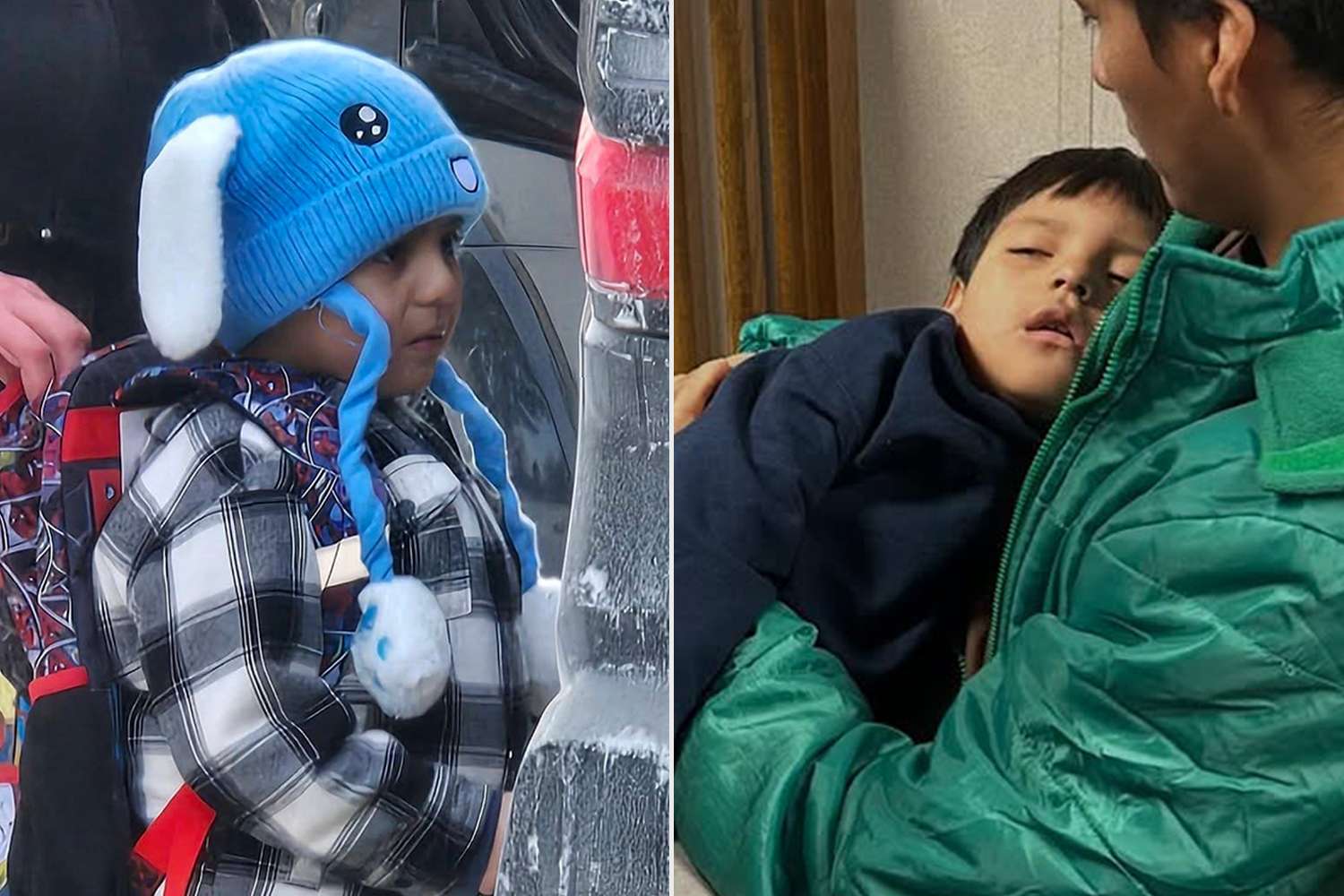
 Sam Levin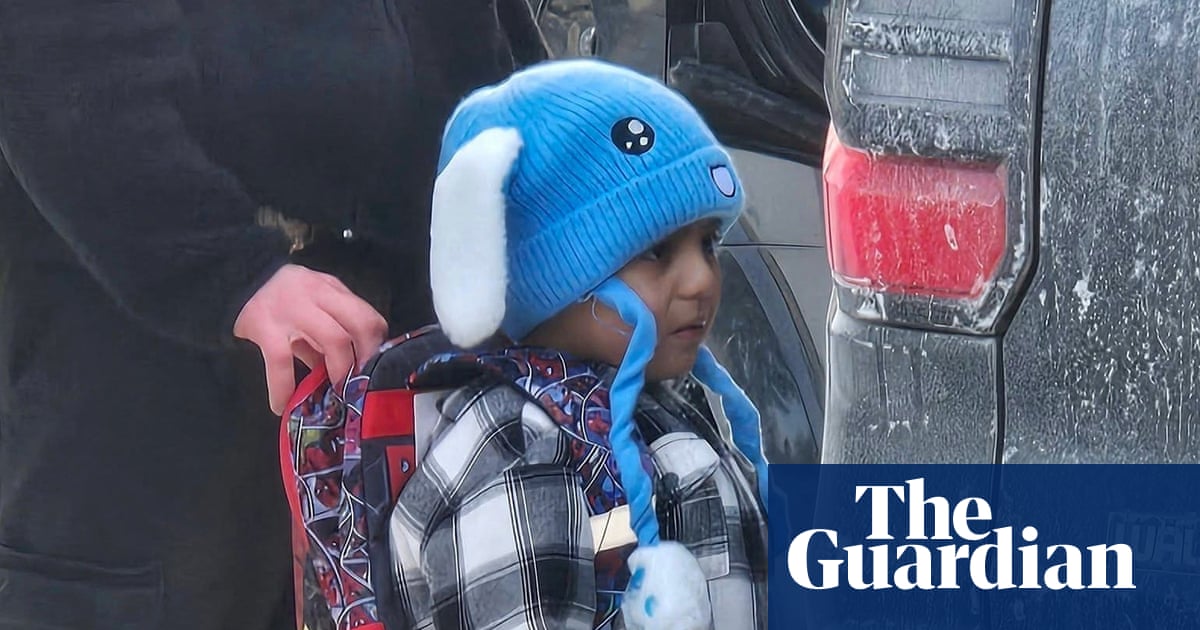
 Anna Betts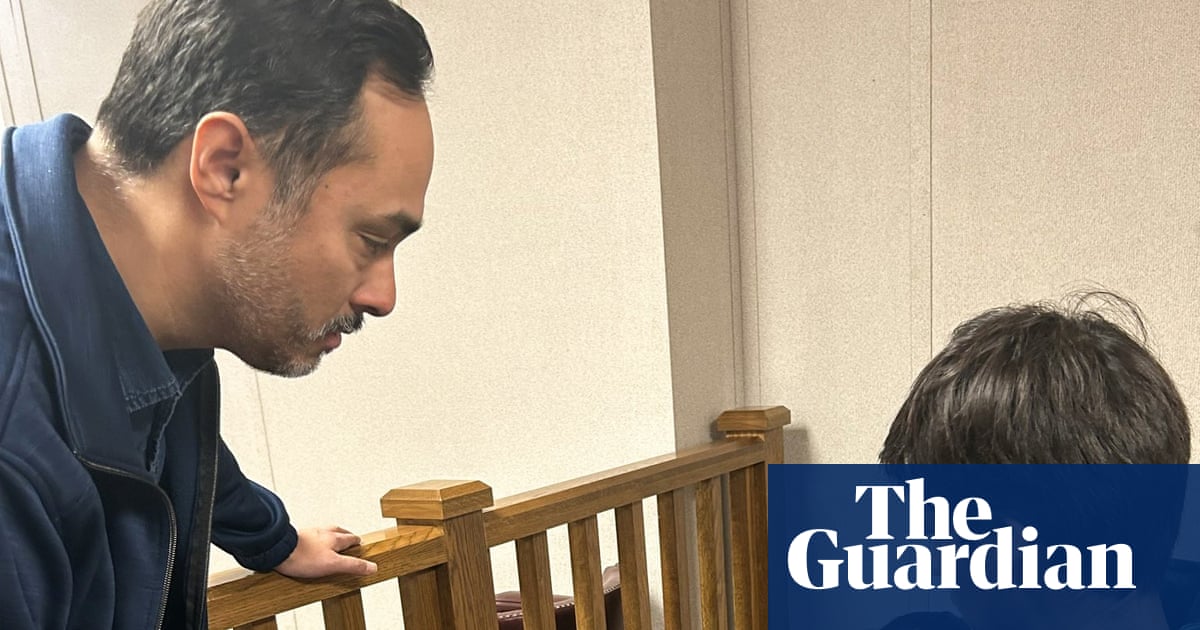
https://www.chron.com/news/article/5-year-old-boy-ice-texas-21322310.php?utm_source=chatgpt.com