Two Shootings. One City. A Country That’s Supposed to Know Better.
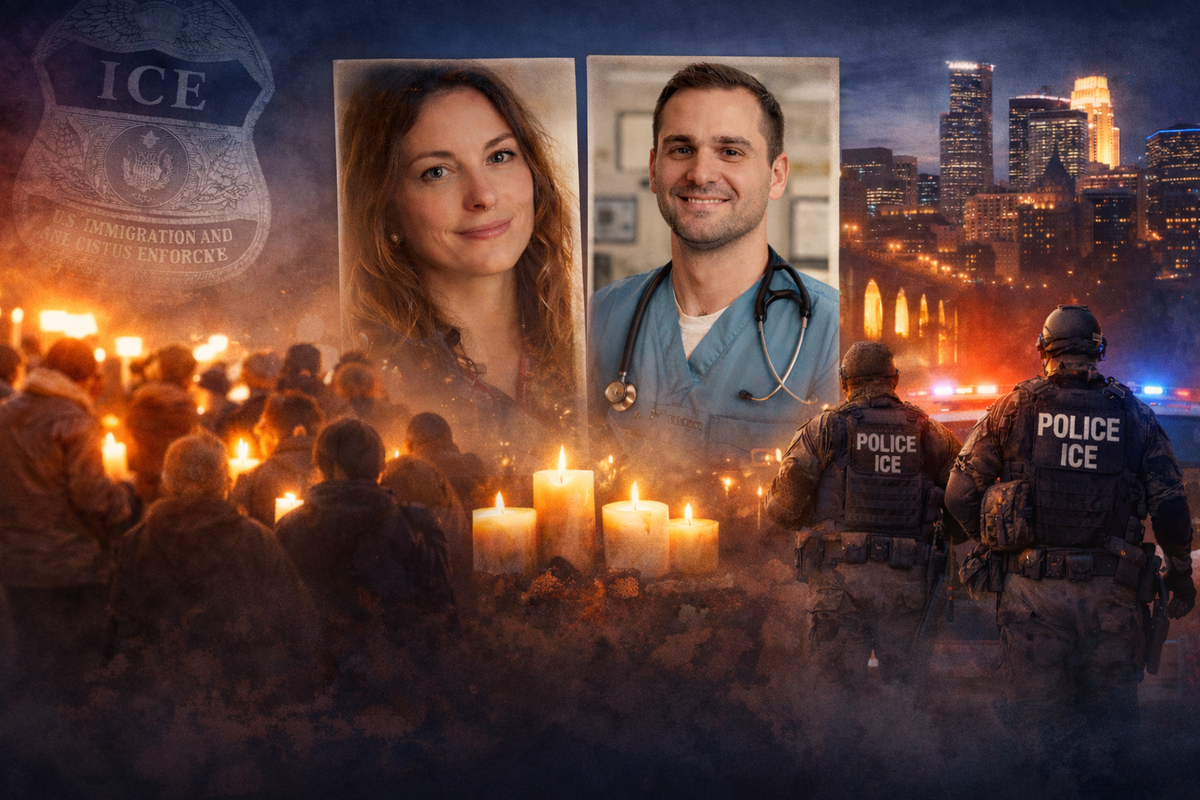
Two people died during federal immigration enforcement in Minneapolis: Renée Nicole Good (Jan 7, 2026) and Alex Pretti (Jan 24, 2026). This isn’t normal. It’s about truth, accountability, empathy, and the light we must protect.
I’ve been sitting with this for days, and it still doesn’t feel real.
Two people are dead after encounters tied to federal immigration enforcement in Minneapolis: Renée Nicole Good, killed on January 7, 2026, by an ICE agent, and Alex Pretti, killed on January 24, 2026, by federal officers during an attempted custody/arrest.
And I keep coming back to the same sentence in my head: this is not normal. Not for Minnesota. Not for America. Not for a country that claims it believes in dignity, due process, and the right to exist in public without being treated like a threat.
I want to write this carefully. I want to be fair. I also want to be honest about what this feels like to watch in real time: confusing, painful, and deeply unsettling, especially when the story we’re told by people in power doesn’t match what many of us can see with our own eyes.
What follows is my attempt to lay out what we know, what’s being disputed, and why it matters, not just for the families and the city, but for the kind of country we’re becoming.
What happened to Renée Nicole Good
Renée Nicole Good was killed on January 7 in Minneapolis. The Hennepin County Medical Examiner ruled her death a homicide caused by “multiple gunshot wounds,” and she was shot by an ICE agent.
Federal officials quickly framed the shooting as self-defense, claiming she tried to use her vehicle as a weapon. But reporting based on video evidence has raised serious questions about that account. Reuters described how footage appears to show Good turning away rather than driving into the agent, contradicting the government narrative.
This is part of what makes this case feel like it cracked something open in Minnesota. Because it wasn’t just a tragedy, it immediately became a fight over reality.
When government spokespeople lean into the most extreme framing (calling people terrorists, insisting the public “can see for themselves,” and then still insisting on a storyline many viewers don’t recognize), it does something corrosive. It doesn’t just hurt the person who died and the family left behind. It hurts the public’s ability to trust that truth matters.
And when truth feels negotiable, grief gets sharper. It turns into something else: anger, disbelief, fear.
What happened to Alex Pretti
Alex Pretti was 37, an ICU nurse, and he was killed on January 24 in Minneapolis during an encounter with federal officers.
According to an official notification obtained by the Associated Press, officers tried to take Pretti into custody; there was a struggle; an agent yelled “He’s got a gun!” multiple times; and two federal officers fired their weapons.
That’s the “what” in the most basic sense. The “why” and “was it justified” are still under investigation, and they should be. A death like this deserves an independent, credible review, not a rushed verdict shaped by politics or PR.
And yet, within hours, public messaging started moving fast, including attempts to paint the victim as the aggressor. AP reported that after the killing, some administration officials sought to blame Pretti, and the White House later shifted tone while sending “border czar” Tom Homan to take over the Minnesota operation.
This is another reason people keep saying “this isn’t normal.” Not because mistakes never happen. Not because investigations aren’t complex. But because the reflex to control the story, to lock in a conclusion before the facts are known, has become almost automatic.
The larger context: Operation Metro Surge and a federal footprint that changed the air in the room
These shootings did not happen in a vacuum.
They happened during an aggressive federal immigration crackdown in Minnesota described by DHS and national reporting as historically large in scale, including the deployment of roughly 2,000 federal agents/officers to the Minneapolis, St. Paul area as part of what officials called the “largest immigration operation ever.”
NPR reporting (via WBHM) describes something that matters a lot here: the enforcement presence in Minnesota has included a patchwork of agencies, ICE, Customs and Border Protection, the Federal Bureau of Prisons, and advocates and experts say enforcement practices have pushed boundaries in ways that make it harder for the public to know their rights or trust those rights will be respected.
This is where the “ICE has been around for years” point becomes important.
Yes, ICE has existed for decades. And yes, immigration enforcement has always been controversial. But Minnesota residents and legal experts are describing this moment as different in intensity, tactics, and the level of conflict it’s creating inside a community.
When you flood a city with agents trained for different kinds of work, operating under political pressure, in a climate already soaked in fear and anger, you increase the odds of escalation. Even if every individual officer believes they’re acting properly, the system you’ve built is one where tension is the baseline.
And in that kind of system, people get hurt.
Sometimes fatally.
The part that should alarm everyone: Minnesota says it can’t even get the evidence
One of the most chilling developments isn’t just the shootings, it’s what happened after.
Hennepin County Attorney Mary Moriarty says state investigators were denied access to the scene even after obtaining a warrant, and her office opened an evidence submission portal for the public while pursuing legal action to preserve and access evidence.
Associated Press reporting goes further: Minnesota launched a public website to counter what it called federal misinformation, and legal experts described the breakdown between state and federal officials as “unprecedented,” driven in part by federal decisions that depart from decades of practice, including relying on internal DHS investigation rather than the more standard Justice Department civil rights review in fatal force cases.
Read that again. A U.S. state essentially saying: we don’t trust the federal government to tell the truth about two deaths, and we don’t trust them to preserve evidence unless a judge orders it.
Whatever your politics are, that should stop you in your tracks.
Because when a government can use lethal force, control the evidence, and narrate the story, all while blocking outside oversight, you’ve left “normal” far behind.
How Trump and his administration play a role
If you want to understand how we got here, you have to talk about leadership, not just individual officers in a single moment.
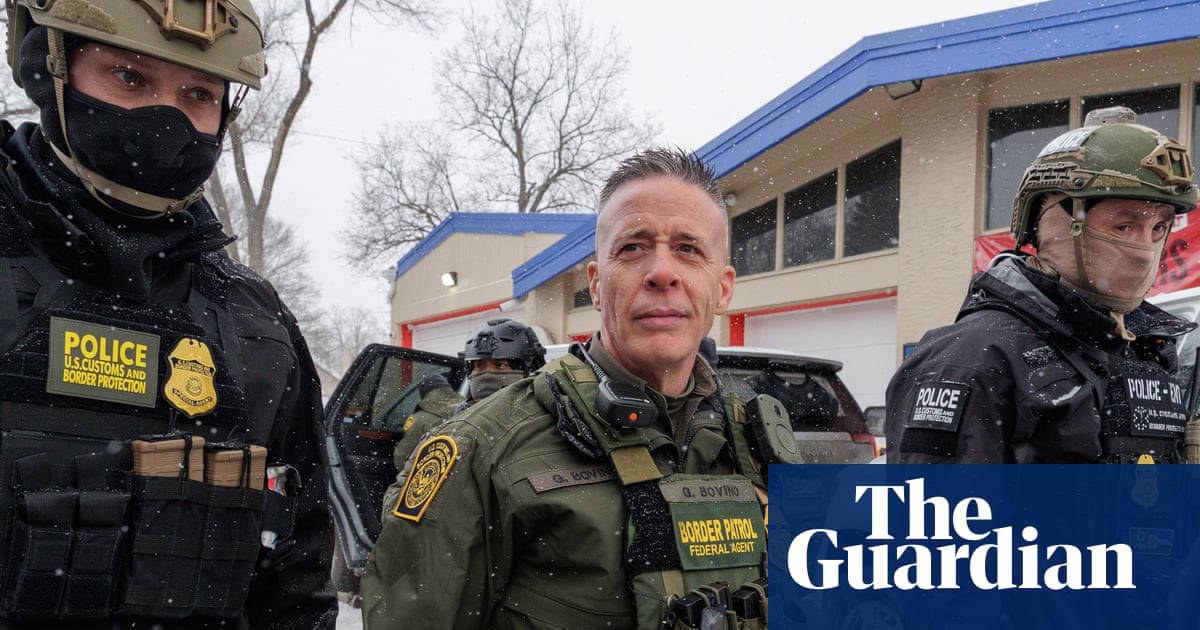
This crackdown has been described in national reporting as part of the Trump administration’s broader city-by-city immigration enforcement push, with figures like Border Patrol commander Gregory Bovino becoming a public face of aggressive tactics.
After Pretti’s death, Trump ordered Tom Homan to take over the administration’s immigration crackdown in Minnesota, framing it as a de-escalation move, which, in itself, is an admission that escalation had become part of the story.
But the deeper issue isn’t one staffing change. It’s the culture created from the top:
- Language that treats human beings as threats by default.
- Messaging that hardens instantly into a verdict.
- A posture of “we’re right, you’re lying, don’t believe your eyes.”
- A system where the goal looks like maximum arrests and maximum fear, not careful enforcement guided by restraint and constitutional limits.
You can believe in borders. You can believe in immigration law. You can believe reforms are needed. But none of that requires turning American neighborhoods into places where residents feel hunted, where confusion is constant, and where two people end up dead in the span of weeks.
A government can enforce laws without treating the public like an enemy.
That’s the standard we should demand. from any administration.
What this means for Minnesota
Minnesota has a particular civic DNA. People help each other dig out cars. They shovel the neighbor’s sidewalk. They show up when things are hard.
So when I see people describing community networks keeping watch, legal observers trying to document encounters, neighbors trying to protect schools and families. I don’t see “agitators.” I see Minnesotans doing what communities do when they feel like power is operating without accountability.
And I also see the cost.
Because this isn’t just political. It’s personal.
It’s a mother gone. It’s parents grieving. It’s coworkers in hospitals and clinics trying to make sense of a death that never should have happened. It’s children watching adults panic when unmarked vehicles roll by. It’s immigrants afraid to go to work. It’s U.S. citizens being questioned about their status in parking lots.
That kind of fear changes a city. It makes people withdraw. It makes people suspicious. It makes people quieter.
And it makes empathy harder, because everyone is bracing for impact.
What this means for America
Here is the truth I can’t shake: if this can become normal in Minneapolis, it can become normal anywhere.
A nation doesn’t collapse all at once. It frays. It gets used to things. It learns to accept what it shouldn’t. It shrugs at another tragedy because we’re exhausted, because the news cycle moves fast, because we’re taught that outrage is a personality defect.
But the “right to protest,” the idea that the state must justify deadly force, the expectation that facts matter, the principle that investigations shouldn’t be pre-decided, these aren’t luxuries. They’re the bones of a democracy.
And this moment is asking us what we’re willing to let go of.
“Some of America is losing empathy” and I think that’s the quiet emergency underneath everything
I’ve been thinking a lot about empathy lately, and not in a soft, sentimental way. In a practical way. The way empathy is what stops people from becoming targets.
When we lose empathy, we don’t just lose kindness. We lose the ability to see each other as fully human.
Research on political polarization shows how common it has become for Americans to view the other side not just as wrong, but as immoral — a shift that fuels dehumanization and hostility. And in more recent Pew reporting, Americans describe both parties as sources of frustration and anger far more than hope or pride, which tells you something about the emotional weather we’re living in.
That emotional weather matters because it changes what we tolerate.
If you can be convinced that a group of people are criminals by nature, or invaders, or “animals,” or “terrorists,” then almost anything can be justified. If a person becomes a category, then their death becomes a debate prompt.
And the cruelest trick is that empathy loss can feel like strength. People mistake it for being “realistic.” They call compassion naïve. They mock grief as weakness. They treat concern as “virtue signaling.”
But here’s the thing: empathy isn’t about excusing wrongdoing. Empathy is about refusing to let anyone become disposable.
Even better: studies suggest some of this hostility is built on false beliefs about what the other side thinks and endorses, and that correcting those misperceptions can reduce dehumanization and increase willingness to work together. That’s not a motivational poster. That’s evidence that our brains are being fed a distorted picture, and that we can, in fact, pull back from the edge.
So yes: some of America is losing empathy. But that also means empathy is something we can practice again, deliberately, stubbornly, even when it’s uncomfortable.
The lie is what makes it so much worse
I want to name something directly, because it’s in your words and it’s in mine: when leaders lie about what happened, it adds a second injury on top of the first.
People can handle hard truths. We grieve them, but we can face them.
What breaks people is being told, “That didn’t happen,” while they’re watching it happen.
What breaks people is seeing a family mourn while officials posture.
What breaks people is watching the machinery of the state close ranks and demand trust while blocking transparency.
Minnesota’s response, evidence portals, lawsuits, public rebuttals, is what a system does when trust has been violated.
And once that trust is gone, it’s not easily rebuilt. It’s rebuilt with facts. With access. With independent review. With humility. With consequences when wrongdoing occurs.
That’s what “accountability” means in real life.
So what do we do with this?
We can mourn. We should. We can be furious. That makes sense.
But we also have to insist on a few basic things that should not be controversial:
- Independent investigations into both deaths, with evidence preserved and accessible to appropriate investigators, not just internal review.
- Transparency that matches the seriousness of lethal force timelines, bodycam footage handled properly, public reporting that doesn’t pre-judge the outcome.
- Clear limits and standards for crowd control and de-escalation, especially when multiple agencies are operating together in dense urban neighborhoods.
- A rejection of propaganda language, the habit of labeling people as monsters first and humans never.
- A commitment to empathy as civic discipline, not as a vibe, but as a refusal to let our neighbors become disposable.
A light, if we’re willing to look for it
I don’t want to end this in darkness, even though I feel it.
Because there is something else happening at the same time as all of this: people are showing up for each other.
A county attorney is publicly saying evidence matters.
A state is challenging federal narratives in public because truth matters.
Journalists are doing the slow, unglamorous work of verifying video, comparing claims, and not letting the story calcify into propaganda.
Researchers keep finding that dehumanization isn’t destiny, that when you correct lies and force people to see each other as real humans, hostility can go down.
That’s the light: we are not powerless.
Not if we stay honest. Not if we stay human. Not if we refuse to let grief turn into numbness.
Renée Good and Alex Pretti should not have died like this. Their families should not be carrying this weight. Minnesota should not be forced into court just to preserve evidence. America should not be debating whether reality is real.
And still, I believe there’s hope, not the cheap kind, not the “everything happens for a reason” kind, but the kind of hope that shows up when ordinary people refuse to surrender their conscience.
The light is there if we protect it.
If we tell the truth out loud.
If we choose empathy even when it’s harder.
If we remember that “not normal” isn’t just a feeling, it’s a warning.
And warnings are only useless when we ignore them.
Sources
 CLAUDIA LAUER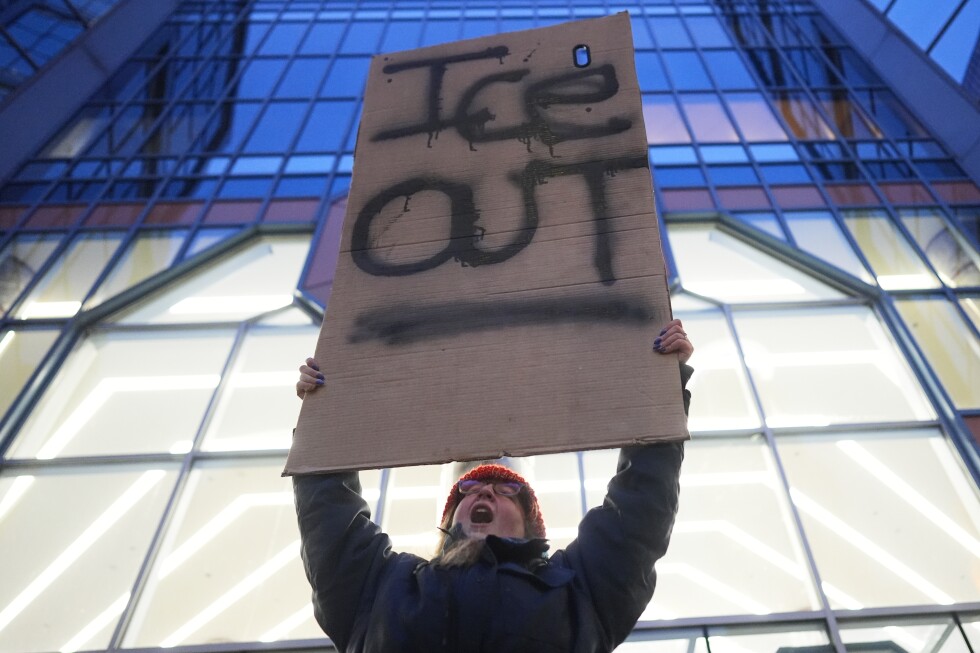
 Callum Sutherland
 Joseph Gedeon